
Caring support: findings from the FDA’s 2025 carers’ survey
Five years have passed since the FDA last surveyed its members with caring responsibilities about the issues they face at work. FDA National Officer for Equality, Diversity, and Inclusion, Amelia Dowler, shares significant findings from our latest survey, and a preview of recommendations and guidance from the upcoming carers’ report.
In 2020, the FDA surveyed our members and their colleagues with caring responsibilities to understand and highlight the barriers they face in the workplace. These responsibilities cover providing unpaid care and support to family members, friends or neighbours who are disabled, have an illness, or who need extra help as they grow older.
We used these insights to publish a report in 2021, which made a series of recommendations for government employers and provided a practical guide for members aimed at improving workplaces for carers. One of our main recommendations was to raise awareness and uptake of the Carer’s Passport, a vital workplace tool which helps carers agree and maintain the flexibilities they need.
Five years on from our first carers’ survey, we wanted to hear again from carers to see how they are balancing their work lives with caring responsibilities, and to document any progress made. We also wanted to see how the Carer’s Leave Act (2023) and the Carer’s Leave Regulations 2024 have affected carers in the civil service.
We heard from hundreds of civil servants with caring responsibilities, including detailed accounts of their lived experience. Carers have a multitude of skills that the civil service needs – including empathy and resilience – and we’re grateful that they took the time to share their stories with us.
Ahead of the publication of our new carers report, which will be available in the new year and aims to recognise the huge contribution carers make to the civil service, I wanted to share some of our headline findings. These capture the impact our previous guidance and recommendations have made, while shining a spotlight on the remaining barriers carers face.
2025 headlines
From our survey we wanted to understand the support carers give alongside their day job, and what current level of workplace support they receive.
Those that were surveyed were clear that whatever support they provide, caring is a significant time commitment. 68% of respondents provide care up to 20 hours per week and 31% of respondents provide more than 20 hours of care per week.
Respondents also described the impact their caring responsibilities have on their working lives, with 32% saying they don’t feel comfortable discussing their caring responsibilities with their line manager, 28% feeling they have been treated less favourably at work because of their caring responsibilities, and a significant 80% of respondents think that their caring role has an impact on how they feel day-to-day at work.
These results not only outline the responsibilities carers hold alongside their day jobs, but also reveal a worrying variation across workplaces. Some of our respondents credited their excellent line managers with supporting them in their roles, but there is still a lack of awareness and understanding among some managers of the support carers are entitled to.

Making progress: the Carer’s Passport
Although the results of our new survey show carers still face a number of challenges in the workplace, we were pleased to see progress has been made since our previous report in wider awareness of, and use of, the carer’s passport.
In our 2021 report we recommended that there be wider publicity for and use of the Carer’s Passport, which allows carers and their managers to record the adjustments or flexibilities needed for a carer to balance their work with their caring responsibilities. Promisingly, in 2025 86% of respondents knew about the Carer’s Passport, up from 71% who had heard of it in 2020.
We can also report that there has been wider uptake of the Carer’s Passport amongst respondents, including a greater willingness to talk to line managers about how to fill out the passport. There has also been an increase in the number of respondents having all their flexibilities agreed as part of the Passport process – 80% in 2025 compared to 59 % in 2020.
All of this is hugely encouraging and reflects the work of FDA National Officers and local reps, alongside the significant work carers networks in departments and the Charity for Civil Servants have done to raise awareness of the Passport.
However, there is still work to be done to support carers and their managers in getting flexibilities identified and agreed. There also remain some carers who feel unable to apply for a Carer’s Passport due to fears around their jobs and careers – an unacceptable situation for any civil servant to be in.
Our respondents report that stigma and a lack of understanding of what support employers must offer carers is still prevalent. 28% of respondents still report feeling they have been treated less favourably at work because of their caring responsibilities – however this has decreased from 39% in 2020 and we want to see this trend continue.
Our new report will also explore the huge importance of training and support for line managers to support carers in their teams.
Members told us
“I have not felt able to apply for a Carer’s Passport. I am currently on secondment within the civil service in a role I really enjoy. There are limited opportunities to apply for a permanent role and I feel that being seen as a Carer would potentially negatively influence the management team against offering me a permanent role.”
“Despite request for carers passport, line manager has not actioned although permits flexibility to attend appointments. I have requested consideration in mandated 40% office attendance as I find this difficult to manage at times, this has not been permitted.”
Carer’s Leave
The Carer’s Leave Act (2023) and the Carer’s Leave Regulations 2024 give carers in England, Wales, and Scotland new statutory rights to unpaid carer’s leave.
Our respondents have reported differences in provision for carer’s leave across different government employers. Some employers already offer paid carer’s leave – the standard which the FDA believes all employers should aim for.
Carers have experienced difficulties and confusion when trying to access carer’s leave. In some cases, carers are being given special leave rather than specifically carer’s leave, which can leave people confused over what they are entitled to.
As part of the FDA’s research, we reviewed departmental policies and found differences in how carers are informed of their rights and what is available to them. Some policies even fail to refer to carers’ statutory rights and have not been updated since the introduction of new legislation. We will be contacting departments where updates are needed as clear information on carers’ rights is vital for both carers and their managers.
While our new findings show some clear improvements, they also demonstrate there is more work to be done to support carers to achieve their full potential in their working lives while fulfilling their caring role.
We look forward to sharing our new report with members. This will go into more detail and will set out a range of improvements we will be pursuing with our colleagues across the civil service. Our report will again provide a practical guide for carers navigating balancing their caring responsibilities and their careers. We will also be sharing resources with our workplace representatives to negotiate change and make improvements to policy locally.
Latest news
-

FDA response to the Minister for Education’s written ministerial statement
FDA National Officer for Northern Ireland comments on the written ministerial statement made by Minister for Education Paul Givan this afternoon.
-

Penman re-elected
Earlier this month, it was confirmed that Dave Penman had been re-elected as General Secretary of the FDA.
-
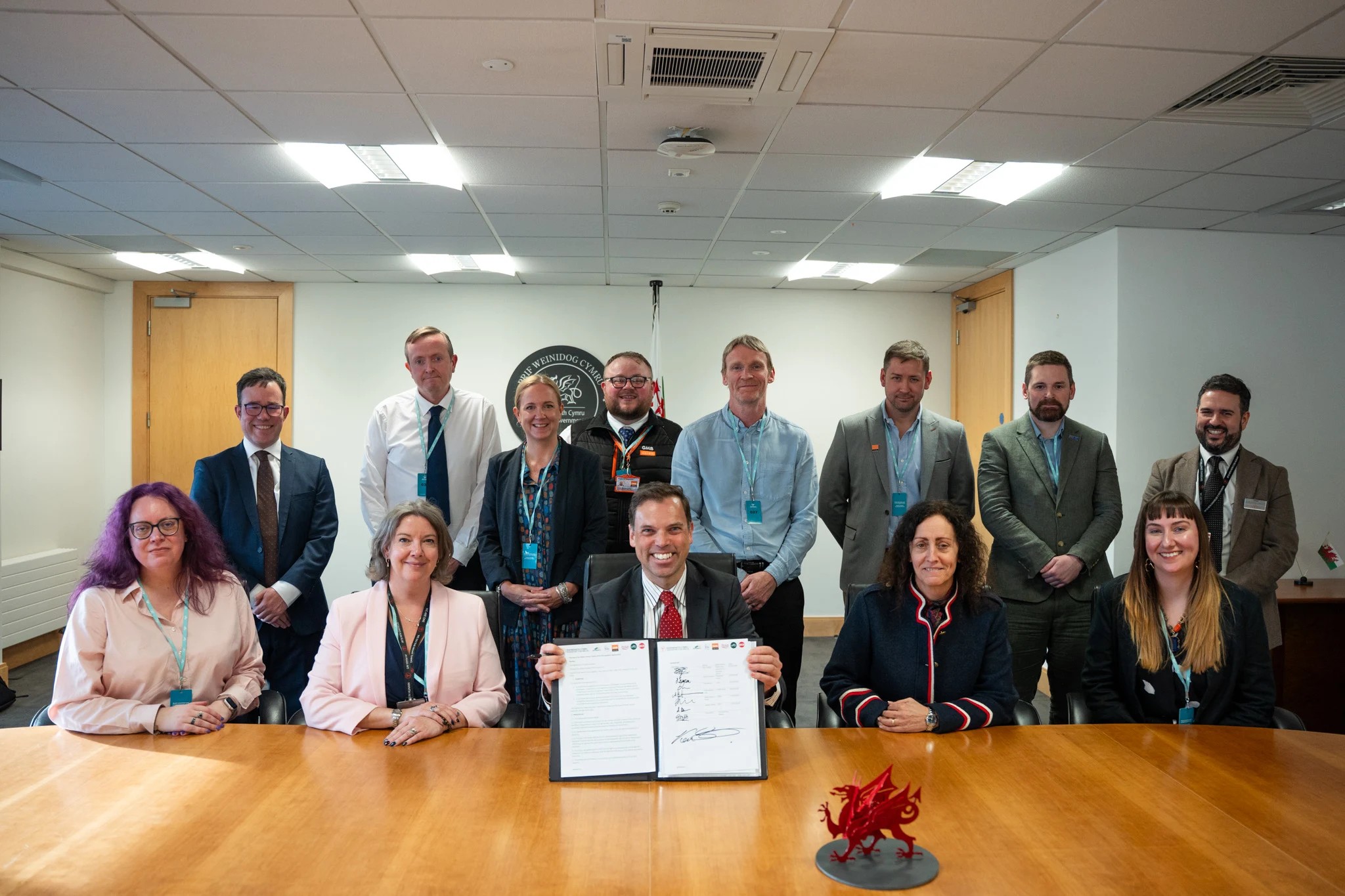
FDA signs partnership agreement with Transport for Wales
The FDA and other trade unions have signed a partnership agreement with Transport for Wales.


