
Why anonymous attacks must stop: Dave Penman on the “damage” caused by briefings

FDA General Secretary Dave Penman on the untold damage done by anonymous briefings against the civil service, and why this pattern needs to change.
One of the difficulties about repeated bad behaviour is that we become accustomed to it. It loses its shock effect because it’s normalised. For almost a decade, repeated attacks on the civil service from within government, from anonymous briefings to more open attacks, became almost routine.
David Gauke, the former Conservative Cabinet minister, spoke at the FDA’s annual conference a couple of years ago. In the Q&A that followed his speech, he was asked if there should be a body created whose role would be to defend the civil service from attacks. He pointed to us, saying that’s what we had become renowned and effective at doing. I’ll take a compliment from anyone, but when it comes from a respected and clearly popular minister with many of the civil servants in the audience, it mattered.
So, while it felt good, it also demonstrated the depths to which we had plunged at that point, with the relentless briefings against the service and its leaders. I’m proud that we had stepped up to the plate to defend the integrity and impartiality of the civil service, to a point where a former Conservative minister gave us that recognition.
After almost of decade of this becoming normalised, many of us had high hopes for the new Government. They came to power saying they would act differently, but then most governments do. As you are all too aware, governing is difficult. When it gets tough, even the best of ministers, who are under relentless press and public scrutiny, can at times vent their frustrations with the civil service over pace or impact. So, whilst we’ve had some briefings over rooting out poorer performers and of course, “tepid bath gate”, it was still shocking to see the recent briefing against the Cabinet Secretary accompanied by the “Cummings was right” quotes – anonymous of course because courage of conviction is never the strong suit of those who brief this stuff.
As ever, the accusations are vague and usually consist, as they did with Cummings, of well-trodden stereotypes and tropes. It’s the surest sign that they are an act of desperation and distraction. All the more ironic, coming hot on the heels of unenforced ministerial reshuffles – including the two most senior ministers in the Cabinet Office dealing with the civil service. We’re 18 months in, and I think most civil servants would struggle to articulate this Government’s agenda for civil service reform.
We have been over this ground many times. These briefings have a corrosive effect on morale, and do untold damage to the ability to attract talent into the service. Not only do candidates have to take a substantial pay cut, they also now know they could be thrown under a bus when it becomes politically convenient.
I’m not sure why this keeps happening. I don’t know if it’s a No.10 problem and of course, the Cabinet Secretary is not the only one to find himself on the wrong side of a briefing war in recent weeks. What I do know is that I’m looking to the Prime Minister as the only one who can stop it.
Latest news
-
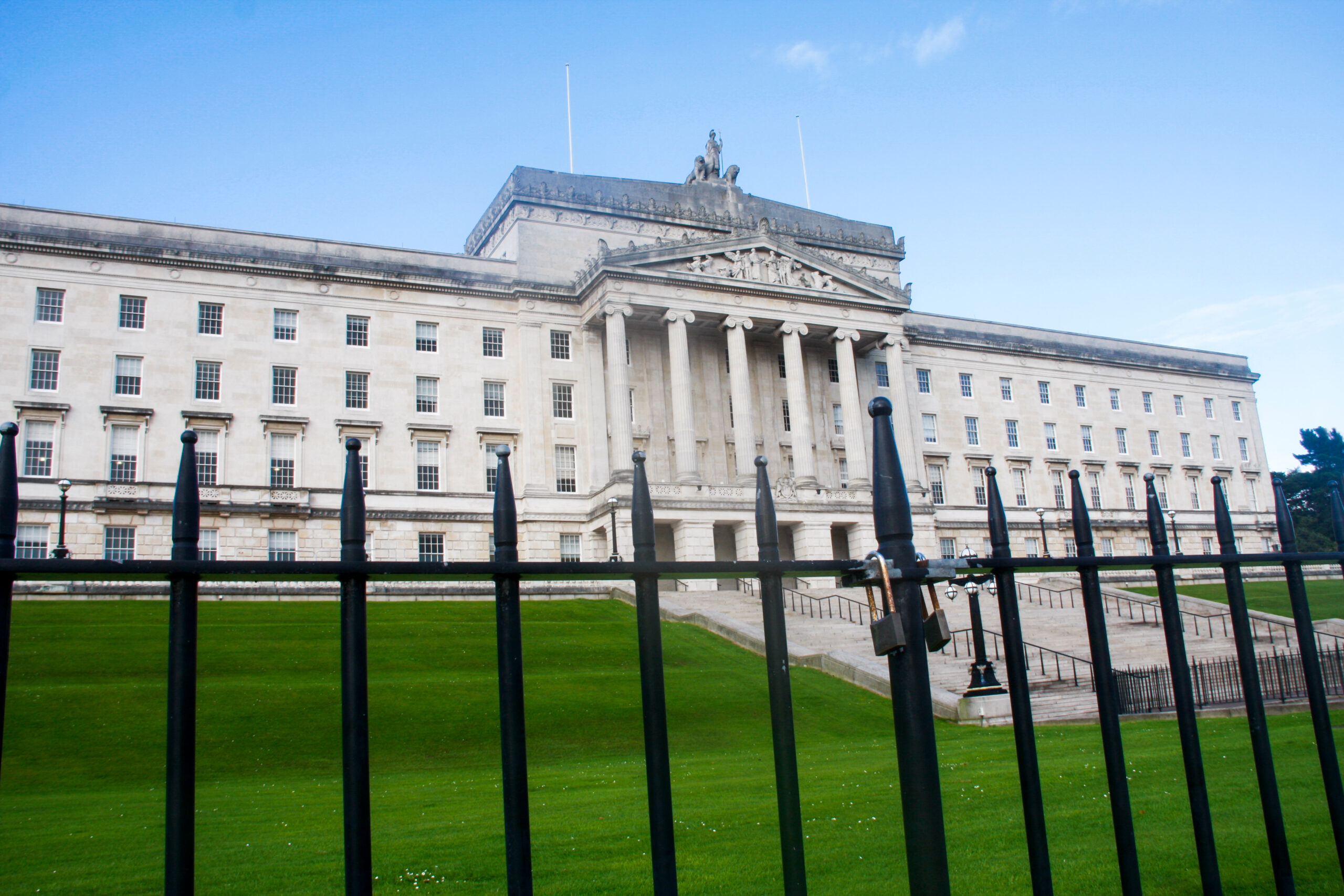
FDA response to the Minister for Education’s written ministerial statement
FDA National Officer for Northern Ireland comments on the written ministerial statement made by Minister for Education Paul Givan this afternoon.
-
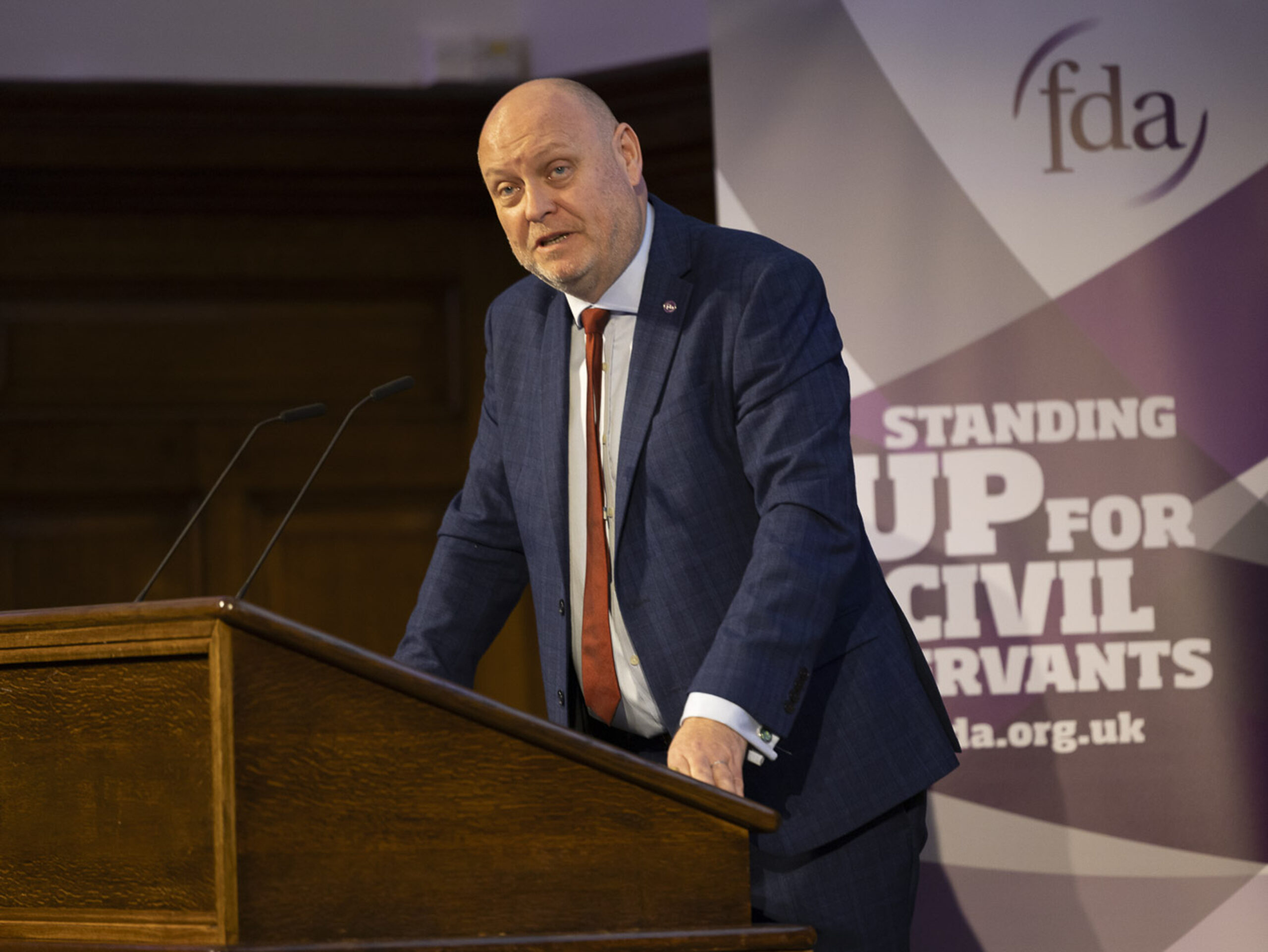
Penman re-elected
Earlier this month, it was confirmed that Dave Penman had been re-elected as General Secretary of the FDA.
-
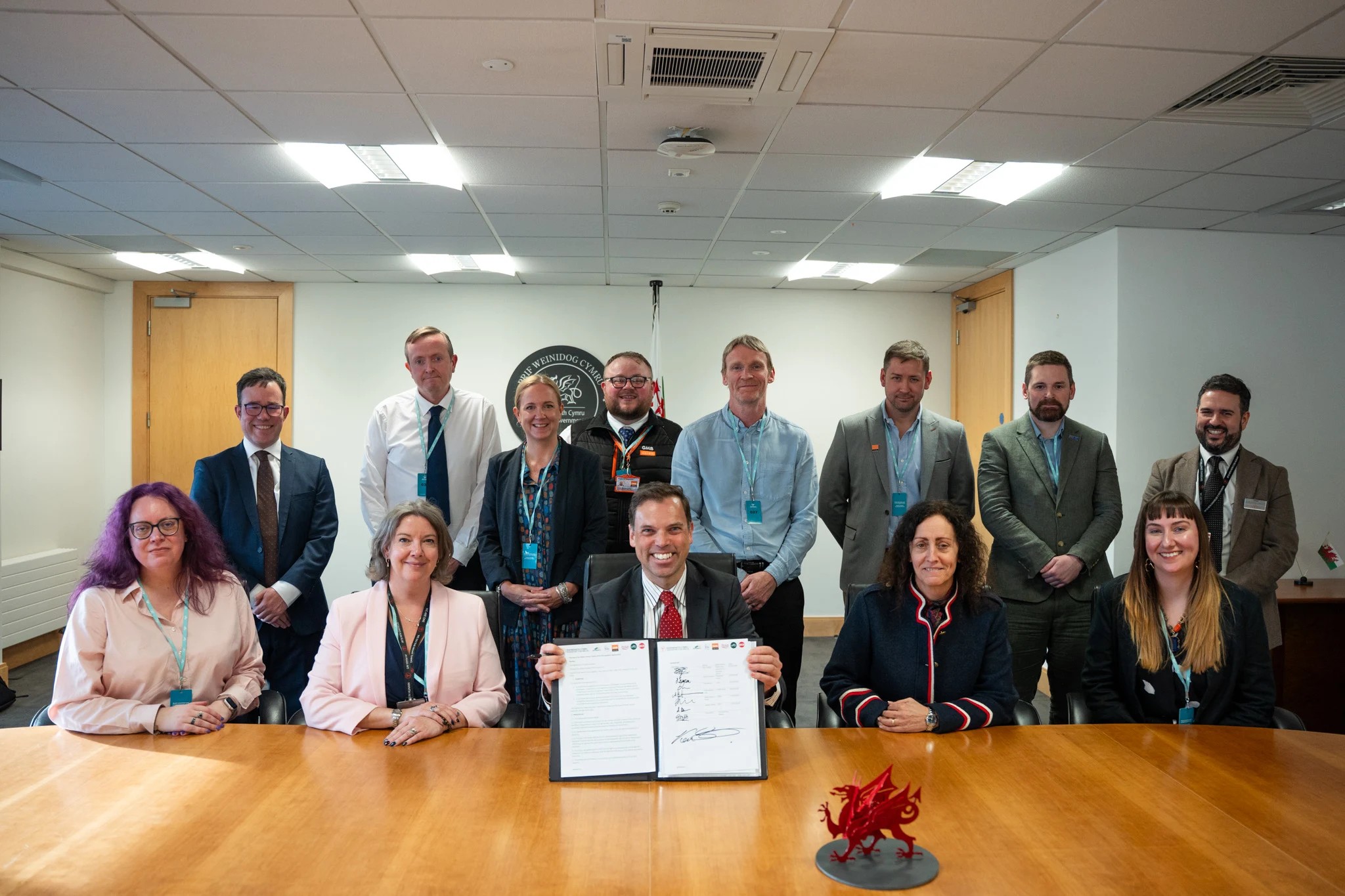
FDA signs partnership agreement with Transport for Wales
The FDA and other trade unions have signed a partnership agreement with Transport for Wales.


