
Ministers fail to recognise that the world of work has changed, says FDA

Following the announcement of the removal of ‘Plan B’ measures and work from home guidance, FDA General Secretary Dave Penman said that the Prime Minister was failing to recognise “the innovation and flexibility” shown by the civil service throughout the pandemic and the numerous changes to guidance, in comments reported by the Times.
In a subsequent discussion with Barret Kupelian, a senior economist at PwC, on Times Radio, Penman argued that the pandemic has irreversibly changed the way we work, while speaking to Nick Ferrari on LBC, he pointed out that flexible working in the civil service was already saving millions before the pandemic. The General Secretary also criticised ministers for failing to recognise that both the public and private sector had accepted that hybrid working was a model that works: “What I really contest is, why are ministers lecturing the private sector?”
Penman was later interviewed by Rob Rinder on TalkRadio, where he highlighted the obsession some ministers seem to have about where somebody’s desk is located, rather than the work they are doing – describing it as a distraction from events elsewhere.
After the government released a late-night press release last Friday saying civil servants needed to lead the way in returning to workplaces, Penman criticised the government’s approach and accused ministers of hypocrisy, when they were previously happy to bank the savings from smaller offices: “Ministers cling to an ideology of presenteeism, showing they’re out of touch with the word of work.” The FDA’s response to the government announcement was quoted in the Times, the FT and the Guardian.
In subsequent interviews on TalkRadio with both Nick de Bois and Julia-Hartley Brewer, Penman argued that there had been a trend towards hybrid working before the pandemic – in both the public and private sector – and that in some government departments desk ratios were already down to 60%.
The General Secretary went on to emphasise that government’s Places for Growth strategy and “the whole levelling up agenda, about moving jobs out of London, was predicated on almost half of those jobs being home-based” in comments to Times Radio. On GBNews he argued that ministers were “hellbent” on return to offices, either to distract from other issues or because they could not understand how the world of work has changed.
Writing for Civil Service World, Penman reflected on the approach of ministers to the return to workplaces and the future of work:
“We are apparently to assume that the Minister for the Cabinet Office thinks that a priority for the civil service is to support city centre sandwich shops, rather than deliver effective public services. We’re also to assume that those thousands of private sector businesses that have already embraced hybrid working will send their staff back to offices, simply because he’s instructing civil servants to return.”
Related News
-

86% of carers are not aware of their civil service employer complying with new regulations, FDA report finds
To mark Carers Week, the FDA have published a new report, Changing Perceptions: Helping carers in the civil service reach their potential, which uses the experiences of our members with caring responsibilities to understand the working lives of carers in the civil service and highlight the barriers they face.
-
FDA ADC 2026 catch up
Catch up on the speeches from this year’s Annual Delegate Conference.
-
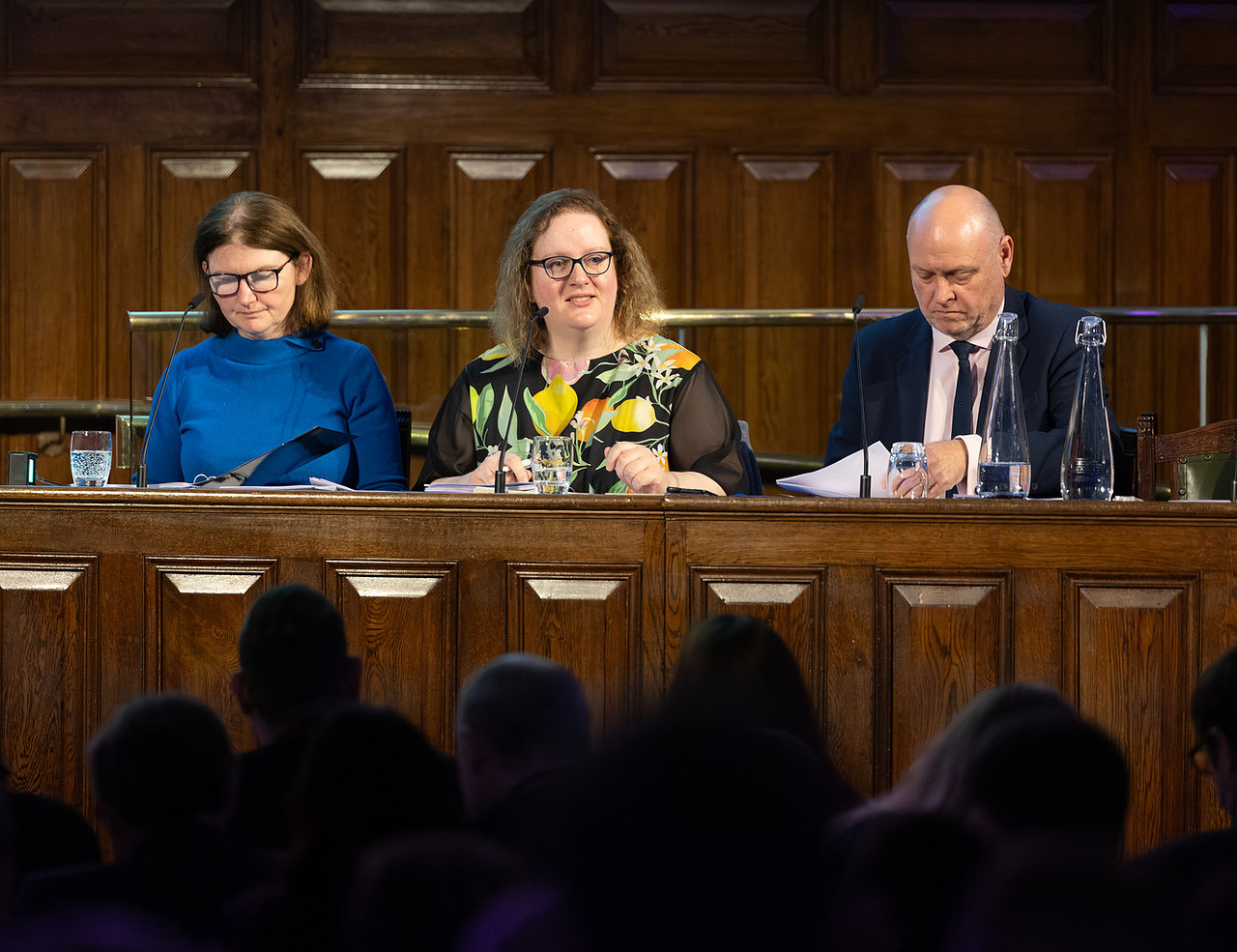
ADC 2026: “Standing up for members, supporting careers, and delivering real outcomes”
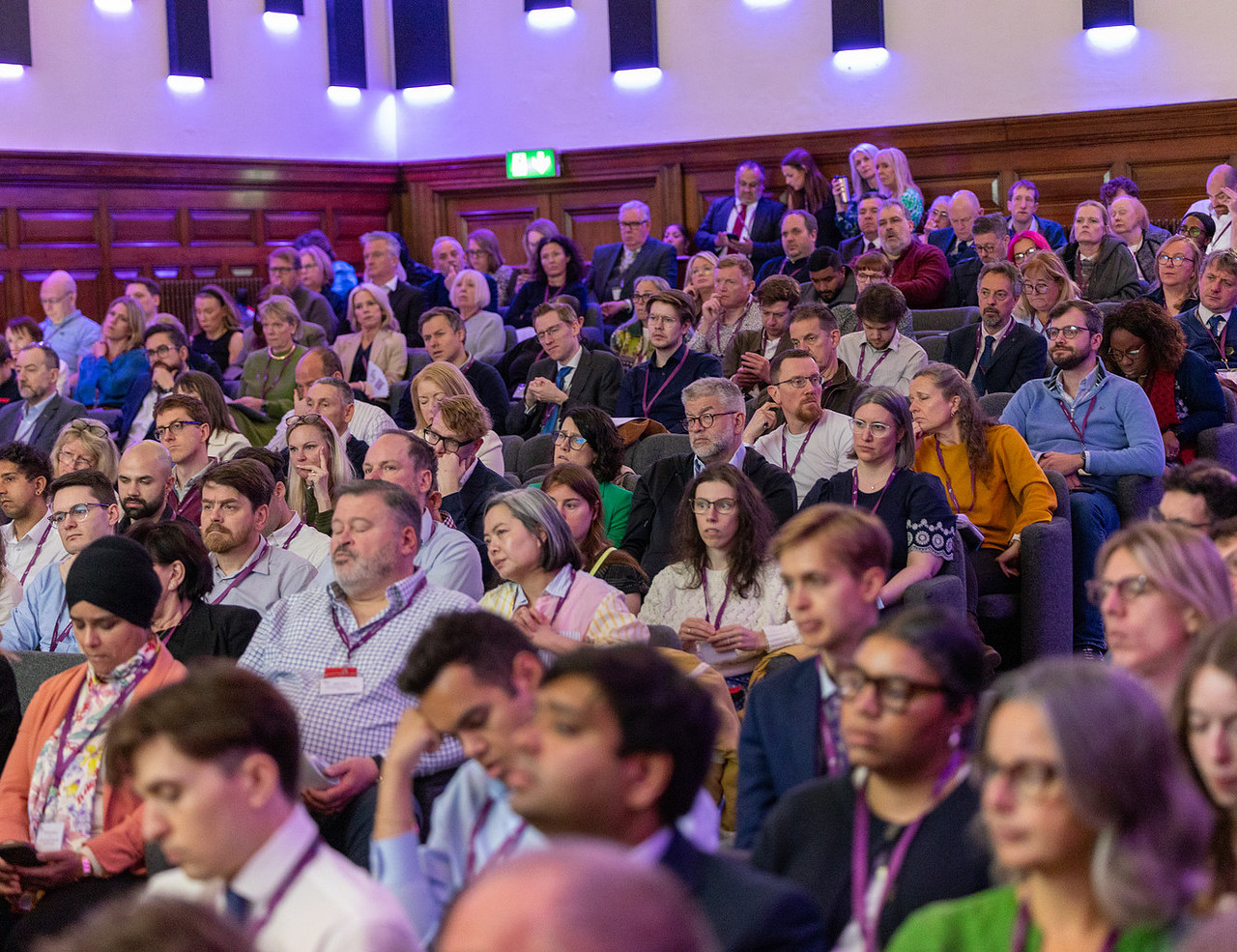
The FDA’s 2026 Annual Delegate Conference took place yesterday in Westminster, where we welcomed delegates from each of the union’s branches and sections. The conference saw lively debate from delegates, who came together to decide the union’s policy for the year ahead on a wide range of issues affecting members.


